Rubbish removal for Lords Cricket Ground events NW8
Posted on 13/10/2026
Rubbish removal for Lords Cricket Ground events NW8: a practical guide for event organisers, venues, and crews
If you are planning Rubbish removal for Lords Cricket Ground events NW8, you already know the real challenge is not just collecting waste. It is keeping everything moving while people are arriving, catering is serving, equipment is turning up, and the clock is ticking. At a venue like Lord's Cricket Ground, even a small amount of poor waste handling can snowball into cluttered access routes, slower turnaround times, and a messy impression at the wrong moment.
This guide walks through how event rubbish removal works in practice, what to expect, and how to avoid the usual headaches. You will also find a step-by-step process, a checklist, a comparison table, and a few grounded tips from the kind of situations that happen on event days. Let's face it, rubbish has a habit of appearing exactly where you need space most.
Whether you are managing hospitality, staging, catering waste, packaging, or a full post-event clear-down, the aim is simple: keep the site safe, tidy, and ready for whatever comes next.
Why Rubbish removal for Lords Cricket Ground events NW8 Matters
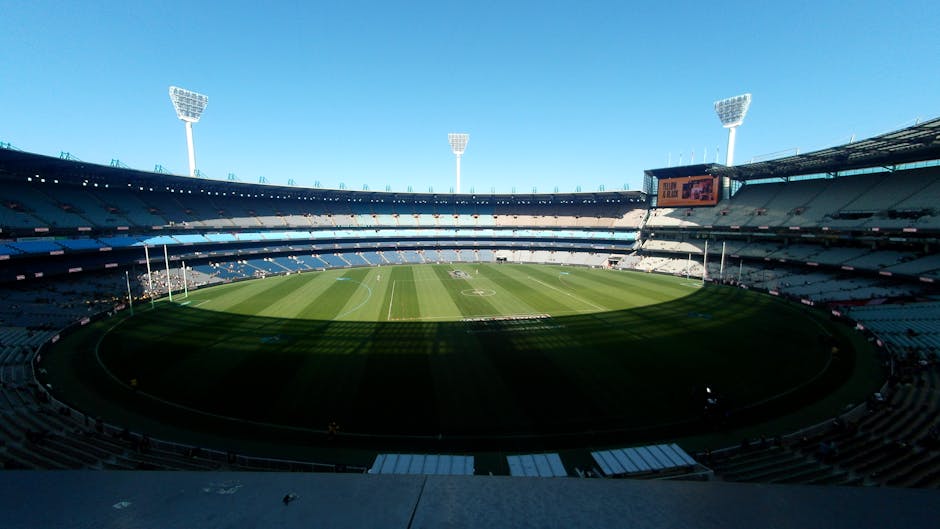
Lord's is not the sort of place where waste can be left to drift into the background. Events there tend to involve a mix of hospitality areas, temporary setups, loading activity, staff circulation, and visitor movement. That means rubbish removal is not a side task. It is part of the event's basic infrastructure.
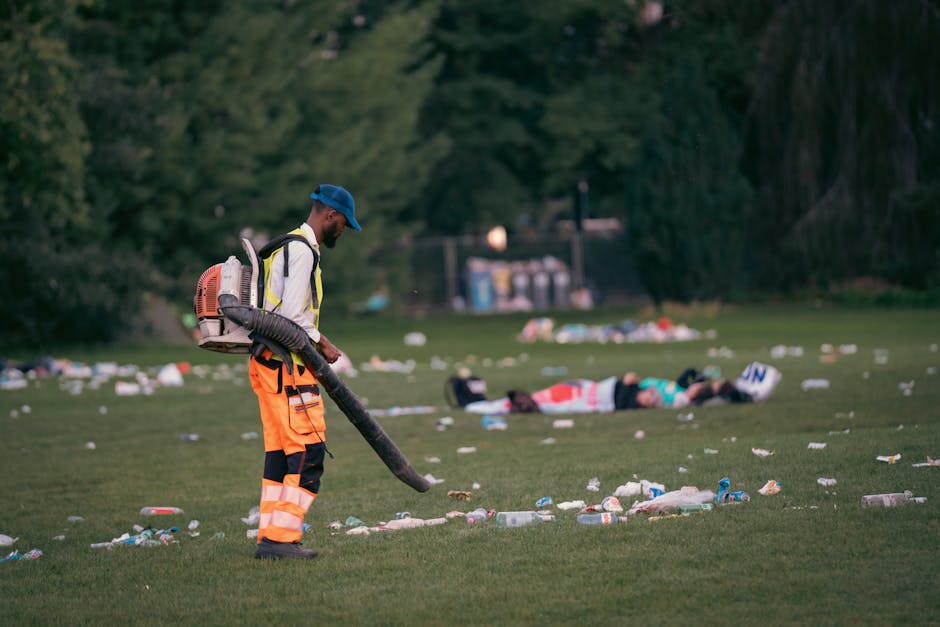
In NW8, access and timing matter too. Roads can be busy, kerb space can be limited, and event-day traffic rarely behaves itself. If waste is not cleared at the right moment, bins overflow, service corridors narrow, and the whole operation starts to feel cramped. You do not want a stack of cardboard boxes leaning against a service door or catering waste sitting in warm conditions longer than necessary. It is unpleasant, and in some cases it can become a hygiene issue quite quickly.
There is also the reputation factor. Guests do notice. Staff notice. Contractors notice. Even when a crowd is focused on the event itself, a tidy back-of-house area sends a quiet but important signal: this venue is under control. That calm, organised feeling is worth a lot, especially in a high-visibility setting like Lord's.
Key point: good rubbish removal is not only about disposal. It supports safety, presentation, and turnaround speed. All three matter on event day.
And to be fair, nobody remembers the rubbish when it is handled well. They only remember it when it goes wrong.
How Rubbish removal for Lords Cricket Ground events NW8 Works
Event rubbish removal usually follows a simple structure, but the details matter. For Lord's events, the best approach is planned collection rather than last-minute panic. In practice, that means mapping the likely waste streams before the event begins and building removal into the schedule.
Typical waste types may include cardboard, drink packaging, food waste, catering leftovers, broken items, temporary signage, disposable service items, and general mixed rubbish. If you are managing a larger event, there may also be bulky items such as staging offcuts, table waste, or packaging from deliveries.
A well-run service generally works like this:
- Pre-event review: identify what waste will be generated, where it will appear, and when collection windows are possible.
- On-site positioning: place bins, sacks, or collection points where staff can use them without creating congestion.
- Timed clearances: remove waste during quieter windows rather than waiting until the end of the event.
- Segregation where practical: separate recyclable material, food waste, and mixed rubbish to keep disposal efficient.
- Final sweep: check service areas, storage points, and loading zones for overlooked waste before handover.
The best results usually come from coordination, not effort alone. In other words, if waste collection is left until the venue is already busy, it becomes ten times harder. If it is built into the event plan from the start, it feels almost invisible. That is the goal.
For organisers who need broader support across the area, local waste removal services such as rubbish clearance in St John's Wood or a more general waste removal service in St John's Wood can help with the pre-event or post-event workload. And if your event setup includes furniture, fixtures, or hospitality materials that need clearing before or after use, office clearance in St John's Wood can be relevant for back-of-house cleanouts and storage spaces.
Key Benefits and Practical Advantages
There are a few obvious benefits to proper event rubbish removal, but the less obvious ones matter just as much.
1. Safer movement around the venue. Waste sacks, boxes, and broken-down packaging can become trip hazards very quickly. Clear walkways help staff move faster and reduce friction during set-up and break-down.
2. Better presentation for guests and partners. No one wants to walk past a pile of black sacks on the way to a hospitality area. Clean surroundings support the feel of the event, especially if sponsors or VIPs are involved.
3. Easier back-of-house operations. When waste is sorted and moved regularly, staff can keep working instead of navigating around piles. It sounds small. It really is not.
4. Less contamination and smell. Food waste and mixed rubbish should not be left sitting any longer than needed, particularly during warmer weather or long-running events.
5. Faster end-of-event turnaround. The clean-up phase often needs to happen quickly. Good waste handling during the event makes the final sweep far easier.
6. Better sustainability outcomes. When waste is separated sensibly, recyclable materials are less likely to end up mixed into general rubbish. That is better operationally and better environmentally.
Here is the practical truth: organised rubbish removal saves time in three places at once - during the event, at the end of the event, and the next morning when someone else would otherwise still be dealing with it.
Who This Is For and When It Makes Sense
This service is useful for a wide range of people involved in Lord's Cricket Ground events. If you are not sure whether it applies to you, ask yourself one simple question: will your event create more waste than the venue team can comfortably manage without extra help? If the answer is yes, then there is a strong case for planning removal properly.
Common users include:
- event organisers and production managers
- hospitality teams and caterers
- venues and sub-contractors
- brand activation teams
- conference and corporate event planners
- filming or media crews
- cleaning teams working to a tight turnaround
- project managers handling temporary installations
It is especially sensible when the event involves:
- high guest numbers
- food and drink service
- multiple delivery drops
- large amounts of packaging
- temporary furniture or staging
- short turnaround between build, event, and breakdown
- shared access routes or limited loading time
Truth be told, even smaller events can benefit from a plan. A modest reception can generate more waste than expected because hospitality packaging, printed materials, and table waste add up fast. And the awkward bit? It always seems to multiply at the end when everyone is keen to leave.
Step-by-Step Guidance
If you want rubbish removal to feel smooth rather than stressful, build it into the event flow from the start. Here is a practical step-by-step approach that works well for NW8 event environments.
1. Estimate the waste before the event
Start with the basics: guest numbers, food service type, supplier deliveries, setup materials, and whether the event produces recyclable packaging, food waste, or bulky items. A coffee reception creates very different waste from a full hospitality lunch or a multi-zone activation.
2. Match waste points to the venue layout
Map where waste is likely to appear. Service entrances, catering prep areas, storage spaces, and temporary seating zones are the usual hotspots. If rubbish points are badly placed, staff end up walking further than they should, and waste starts piling up in the wrong places.
3. Build collection windows into the schedule
Do not wait for the final clear-down if waste can be taken away earlier. Timed collections reduce clutter and help keep back-of-house flow steady. A quick mid-event sweep can make a surprising difference.
4. Separate waste where it makes sense
Mixed rubbish is harder to manage. Recyclables, food waste, cardboard, and general waste should be separated if the setup allows it. Not every event has perfect conditions, of course, but a little segregation goes a long way.
5. Keep the loading and exit routes clear
This sounds obvious, but it is one of the easiest things to overlook. If waste bags are left in access routes, the collection process slows down and can disrupt other teams. Keep movement paths open. Always.
6. Finish with a final sweep
Once the event is over, check behind screens, under tables, around storage points, and inside any temporary structures. The final sweep often catches the last few items that everyone assumed someone else had already moved. Happens all the time.
7. Confirm handover and close the loop
Make sure the site is left in the expected condition and that nothing has been missed. If you are working with multiple contractors, a quick final walk-through saves awkward phone calls later.
If the event also creates waste from a site move-out, temporary structures, or clear-up around a larger build, builders waste disposal in St John's Wood may be more suitable for the heavier end of the job.
Expert Tips for Better Results
Small decisions make a big difference on event day. A few practical habits can keep rubbish removal calm instead of chaotic.
- Use labelled waste points. Staff work faster when they can tell at a glance what goes where.
- Put bins where people naturally pause. If a collection point is too far away, waste will probably end up on the nearest available surface. Human nature, really.
- Plan around the busiest hour. Do your waste movement before the peak rush or after service slows.
- Keep spare sacks and liners nearby. A full bag with nowhere to go turns into a bottleneck.
- Protect floors and circulation routes. Wet or torn sacks create hassle no one wants.
- Brief staff simply. A five-minute waste briefing is often enough if everyone knows the plan.
- Leave room for the unexpected. There is usually at least one surprise pile of packaging or a missing crate.
One practical tip from event crews: keep the rubbish route as short as possible. The less distance waste has to travel, the fewer things can go wrong. That tiny principle solves a lot.
For organisers who want a clearer overview of service options before booking, the page on services overview is useful, and the section on your rubbish removal needs can help you match the job size to the right type of clearance.
Common Mistakes to Avoid
A lot of event waste trouble comes from a handful of repeat mistakes. The good news is that most of them are easy to avoid once you know what to look for.
Waiting too long to arrange removal. Event planning gets busy, and rubbish is often left until the end. That usually means fewer options and more stress.
Underestimating packaging waste. Deliveries create a lot more cardboard and wrapping than people expect. By the time suppliers have come and gone, the back area can look like a small warehouse.
Not assigning responsibility. If everyone thinks someone else is handling rubbish, it ends up handled badly. One named person, even if they are not doing the lifting themselves, makes a big difference.
Mixing everything together. Mixed waste is slower to process and harder to manage properly. Even basic separation helps.
Ignoring access restrictions. A rubbish plan that works on paper can fail if the collection vehicle cannot get close at the right time. In NW8, access and timing really matter.
Leaving final clearance too late. The last hour of an event is often the noisiest, most crowded, and most rushed. If you leave every rubbish task until then, you are asking for trouble.
Forgetting the small hidden spots. The space behind a temporary bar, inside a storage alcove, or along a side corridor often gets overlooked. It should not, though.
It sounds simple, but a clean event usually comes from boring discipline. Not glamour. Just steady habits and a decent plan.
Tools, Resources and Recommendations
You do not need elaborate equipment to manage event rubbish well, but you do need the right basics. A few sensible tools can make the difference between a smooth clear-out and a frustrating one.
| Tool or resource | Why it helps | Best use |
|---|---|---|
| Heavy-duty waste sacks | Reduces tearing and spill risk | General event waste and packaging |
| Clearly labelled bins | Makes sorting faster | Front-of-house and catering areas |
| Reusable bins or containers | Supports tidier collection points | Repeated service throughout an event |
| Gloves and handling gear | Protects staff during collection | Clear-down and loading phases |
| Floor protection | Keeps routes tidy and safer | Back-of-house walkways and loading areas |
| Simple waste plan | Prevents confusion | Any event with multiple teams |
For related services, it can help to understand the wider picture. If the event produces a mix of reusable items, office-style waste, or a room that needs stripping back after use, house clearance in St John's Wood and office clearance can be useful references for how different clearance jobs are approached. They are not identical to event clearance, of course, but the same practical principle applies: separate, remove, and keep the site moving.
If you are still scoping the project, pricing and quotes is a sensible next stop. It helps to compare clarity of pricing, scope, and what is actually included. No one enjoys surprise add-ons after the fact.
Law, Compliance, Standards, or Best Practice
Any rubbish removal around a major venue should be handled with care and sensible compliance. You do not need to turn the project into a legal seminar, but you do need to work responsibly.
In practical UK terms, that usually means using a legitimate waste carrier, ensuring waste is handed over responsibly, and avoiding fly-tipping or uncontrolled disposal. If you are arranging event waste, it is wise to confirm that the contractor understands correct handling, transfer, and routing. For busy events, it also helps to ask how recyclable material and general waste will be managed separately where practical.
For venues and event teams, best practice normally includes:
- keeping waste off public routes wherever possible
- storing it safely until collection
- preventing spillages and food waste build-up
- managing sharp or awkward items separately
- keeping a simple record of what left the site, if required internally
- checking that staff understand who is responsible for waste points
Safety matters too. Waste bags can be heavy, cartons awkward, and wet surfaces slippery. Even a quick collection can go wrong if someone tries to move too much at once. Better to take an extra trip than risk an injury or a broken bag. That is just common sense, really.
If your event includes food service, stricter hygiene habits are sensible as a matter of course. And if there are building works, temporary structures, or refurbishment tasks in the mix, use an approach that fits the waste type rather than forcing everything into one generic process.
Options, Methods, or Comparison Table
There is no single best rubbish removal method for every Lord's event. The right choice depends on timing, waste volume, and how much control you need over the clear-up.
| Method | Best for | Pros | Trade-offs |
|---|---|---|---|
| Pre-planned scheduled collections | Medium to large events | Predictable, tidy, less disruption | Needs early planning |
| On-demand same-day removal | Fast-moving event days | Flexible and responsive | Can be harder if access is tight |
| End-of-event full clear-down | Short events or simple setups | Simple to organise | Waste can build up during the event |
| Mixed on-site staff disposal | Smaller teams with limited waste | Can be efficient for light jobs | Risk of confusion and inconsistency |
For many events at Lord's, a hybrid approach works best: keep a light, regular waste flow during the day, then arrange a final sweep once guest activity has ended. That way, no single stage becomes overwhelming.
If you need flexibility in the wider NW8 area, a service like same-day rubbish clearance on Abbey Road NW8 shows how quickly local collections can be arranged when timing is tight. For event spillover around transport or setup points, rubbish removal near St John's Wood Station is another useful reference for fast-response scenarios.
Case Study or Real-World Example
Here is a realistic example. A hospitality team supporting a cricket event at Lord's has a mix of catering packaging, food waste, disposable tableware, and cardboard from supplier deliveries. Early in the day, waste seems manageable. By mid-afternoon, though, the service area starts filling up, and the route to the back exit becomes awkward because two other teams are also moving equipment through the same corridor.
The solution is not dramatic. It is just organised. Waste points are repositioned closer to the catering team. Cardboard is flattened before it piles up. Food waste is moved out during a quieter window. A final walk-through catches a small stack of packaging near a side storage area that would otherwise have been missed. The result is a clean handover, no blocked passageways, and less pressure on the team at the end of the day.
That sort of job may not be flashy, but it is the difference between a site that feels professionally managed and one that feels like it is just about coping. You notice the calm more than the action.
For event organisers working across NW8, the same approach applies whether you are clearing a hospitality space, a temporary office area, or a post-event storage room. The method changes a little, but the principle stays the same: plan early, move steadily, and do not let waste sit where people need to work.
Practical Checklist
Use this checklist before, during, and after the event. It is simple on purpose.
- Confirm the main waste types the event will generate
- Identify where waste is most likely to build up
- Assign one person to oversee rubbish removal coordination
- Place bins or sacks in practical, easy-to-reach spots
- Label recycling, general waste, and food waste clearly if used
- Keep access routes and service doors clear
- Arrange collection windows that fit the event timetable
- Store waste safely and away from guest areas
- Flatten packaging where possible to save space
- Check hidden areas during the final sweep
- Confirm all waste has been removed before handover
- Review what worked well for the next event
Quick takeaway: if you can answer who is responsible, when waste moves, and where it goes, you are already ahead of the game.
Conclusion
Rubbish removal for Lord's Cricket Ground events in NW8 works best when it is treated as part of the event plan, not an afterthought. The venue, the traffic, the guest flow, and the pressure of tight turnaround times all make good waste management more important than it might first appear. Done well, it keeps staff moving, protects presentation, and removes a lot of unnecessary stress from the day.
If there is one thing to remember, it is this: the cleanest events are usually the ones where waste was thought through early. Not every task is glamorous. This one is decidedly not. But it is one of the easiest ways to keep everything else running smoothly.
When the right plan is in place, the whole operation feels lighter. And that is a good feeling, especially at the end of a long event day.
Get a free quote today and see how much you can save.
 Tipper Van - Rubbish Clearance and Builders Waste Collection Prices in St Johns Wood
 Luton Van - Rubbish Clearance and Builders Waste Collection Prices in St Johns Wood